Community
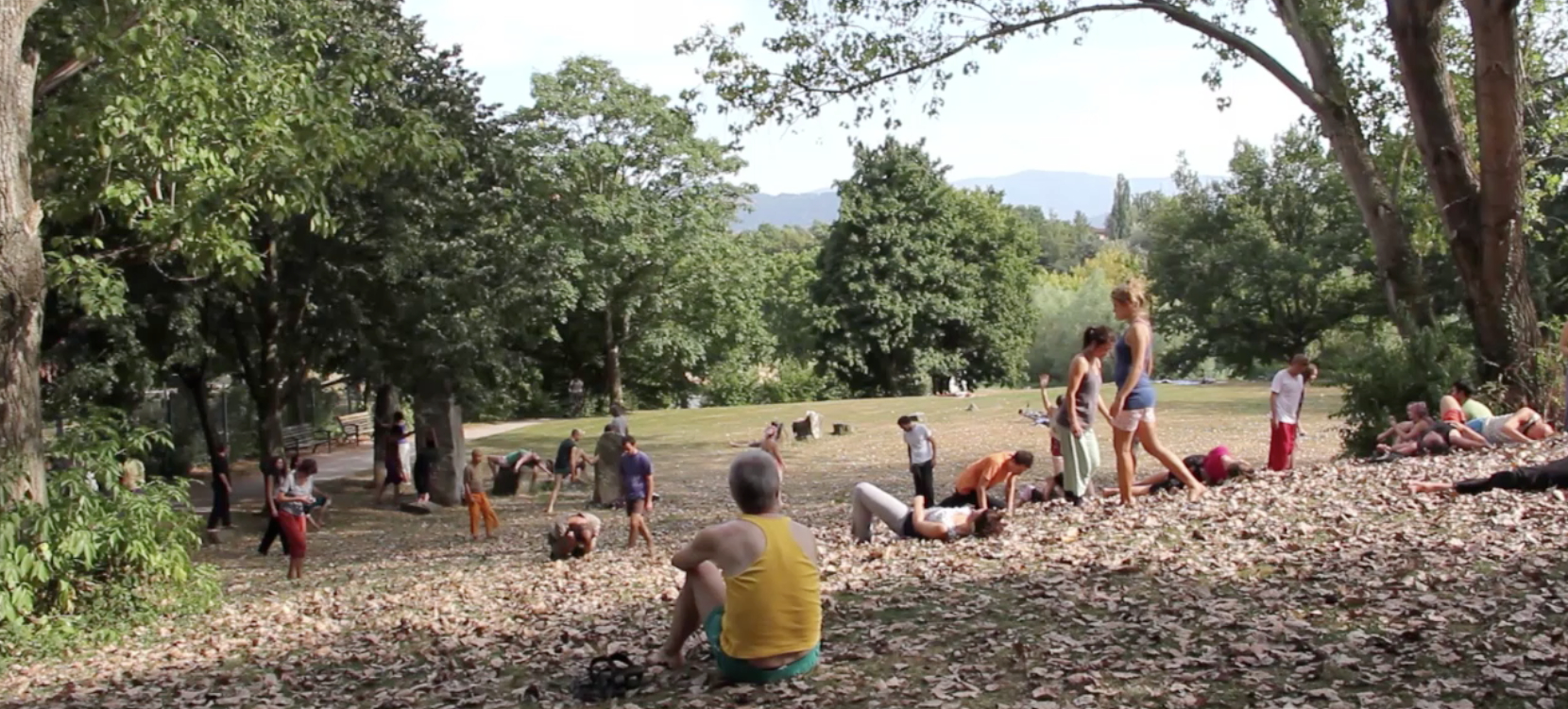
Raquel asked the question ‘What is the community of contact improvisation?”. Our documentary could only touch on such a huge question given the global reach of CI and the many ways that CI communities have formed in many different constellations for many different purposes. However, our ending on Lior’s focus on support, does give one key insight or ‘way in’ to some answers to this question? The fact that dancing CI can be a lonely path but that festivals and jams provides a way to connect and build confidence in one’s own interest is one direction that might be explored in some contexts. Raquel’s statement about the need for community and connection in Latin America is another. There are many reports of very exciting and community oriented developments of CI in Argentina, for example, that are yet to be documented and shared with the wider CI community.
Another interesting area is how CI is used and could be used in intentional communities and eco-villages for building a greater sense of connection between people and how it might contribute to decision making? Group decision making was a particular area of interest of Jashana and she organised a lab at Freiburg to explore it, that did not feature in our documentary.
We are particularly interested in developing this further and invite contribution and invitations on this theme. As several of us have a strong interest in supporting intentional communities we intend to explore the link more between CI and community by showing the documentary in communities all over Europe.
We are also very interested how CI communities are successfully built and maintained all over Europe by enthusiasts who often do so on a voluntary basis? Is there some learning to be had from exploring different CI communities in the European context?
Personal Transformation
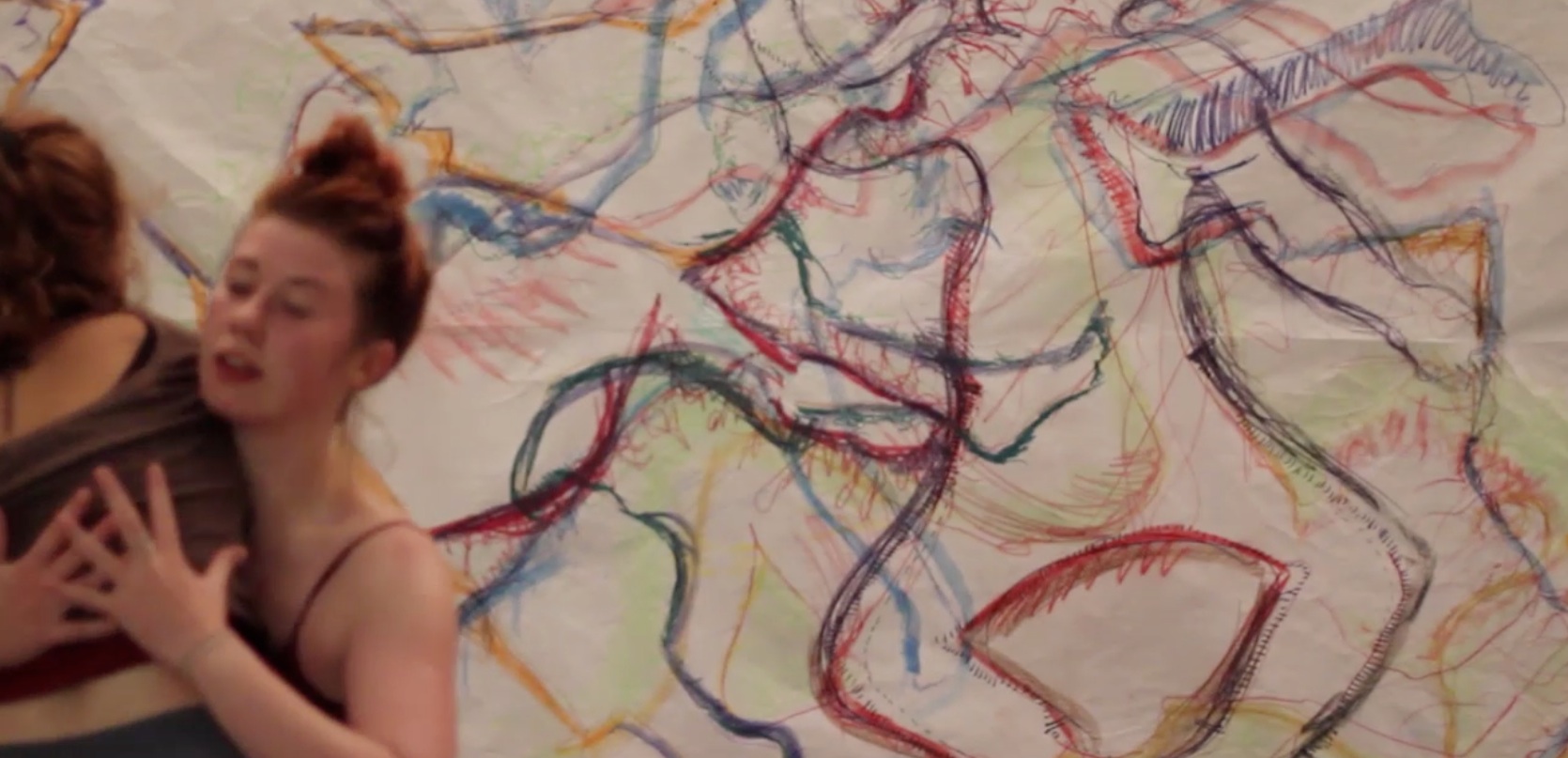
Our documentary reveals how people may go through considerable personal process at a CI festival and in many cases experience personal transformation. In our documentary our encouragement of the five protagonists to tell us their intentions for the festival-inspired by the typical process of an Underscore-and then inviting them to share what happened to them at the end, certainly gave a focus for that process and contributed to it. But we also know from our own experience that much personal and spiritual transformation can take place without a camera or without someone providing a structure for it.
There are very interesting questions of personal transformation in festivals that could be explored using ideas of therapeutic efficacy from the literature in Medical Anthropology.
We would, however, like to ground our exploration in the concrete experiences of CI dancers and we invite you to comment and contribute to this thread through personal recollections and your own insights.
To contribute to this theme please go to our feedback section.
Political Change
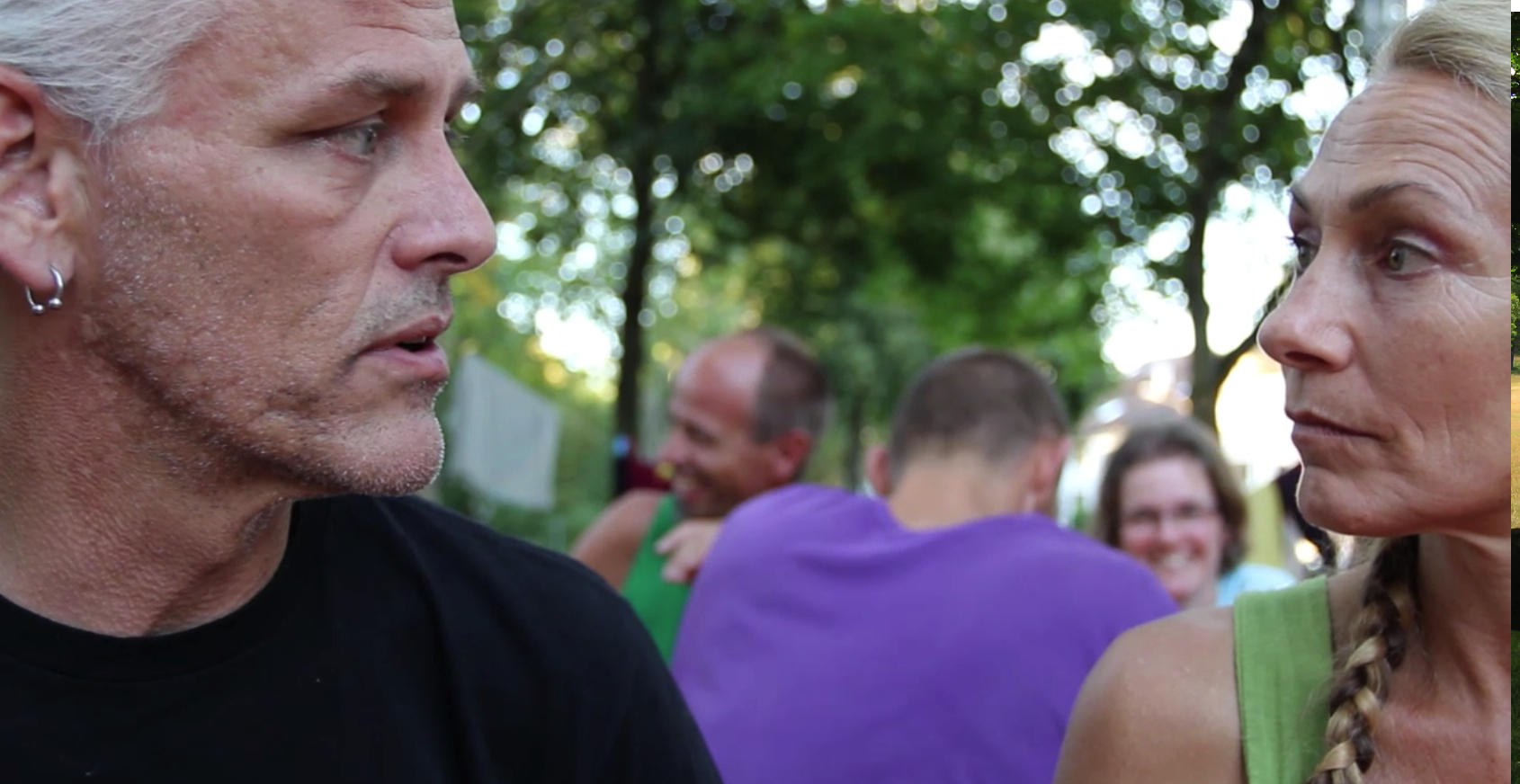
The question of how CI can contribute to political change and how it is political is of great contemporary interest. The mere fact that people touch each other and connect in ways that challenge conventional ways of relating is what makes is political for many practitioners. Others, like Jashana, yearn for more concrete action and connection to wider political process. For one of our key supporters, CI offers a model for communication that is more productive that current more confrontational ways of relating in global politics.
In Freiburg 2013 the question of politics was a key theme of the festival, strongly influenced by the intensive teachers, that included Thomas Kampe, that year. Jashana, would certainly have come to a different conclusion had she come to that year’s festival.
We would like in this theme to document examples of how CI is contributing to political process and challenging current politics. We know of CI being used in Sweden to support activists. We also hear of CI increasingly being taught in India and China, extending its possible influence but also coming against very different political structures.
We invite you to contribute to this thread by sharing your experience of CI and the political. We also hope showing the documentary in many different contexts will open up this question to new audiences and consequently new insights. It may be that people not practicing the form may be the ones who have the clearest ideas of how it might contribute to political process.
11. January 2015.. David Graeber’s use of prefigurative politics to argue for anthropology working with and for social movements, CI being one such movement, is very interesting. In a very vibrant way the community and communities of CI are doing a form of prefigurative politics. Do check out his article in the excellent HAU, an open access anthropology journal.
2 May 2017.. I am drawn to a wonderful post by Aurora Westfeld called ‘Contact improvisation-self-indulgent or subversive‘, which has reminded me that we need to get moving theorising how Five Ways In has facilitated the revelation of the political in CI on many level. Alyssa and I will be working on this in the coming months.
To contribute to this theme please go to our feedback section.
I
Teaching and Education
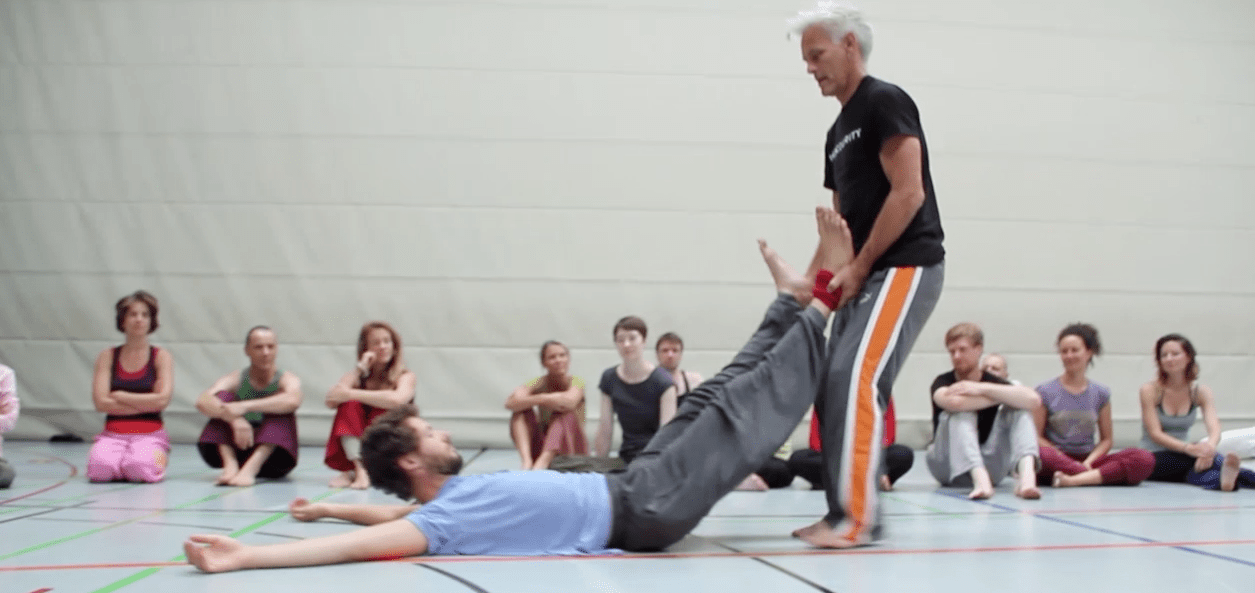
Teaching is central to the Freiburg Festival. Teachers are key to the festival as they are responsible for preparing the structure and holding the space. Intense preparation takes place during the teachers’ meeting before the festival to decide responsibilities and ensure that the spaces for improvisation are supported and held.
Those chosen to teach at the Festival gain considerable affirmation of their position and contribution to the global CI community.
They bring their expertise from teaching outside the festival context into the festival context, and then take much inspiration in teaching back in their homes or other places.
Teaching and learning does not only take place in the more structured intensives and classes, but also informally in jams and labs. How different is the learning in such spaces from the more formal mode of appreciating the form?
Our documentary opens up many questions around how CI can be used to teach outside of a specific dance or improvisation based context. The question of how it can be used to teach within university settings is a question of particular interest to Mike Poltorak, who uses CI to teach the kind of filmmaking that is sensitive to people and their interests. He is also particularly interested in how CI based exercises can be used to teach concepts that are particularly difficult to grasp through reading and discussion alone.
To contribute to this theme please go to our feedback section.
Intersubjectivity-Visual Anthropology
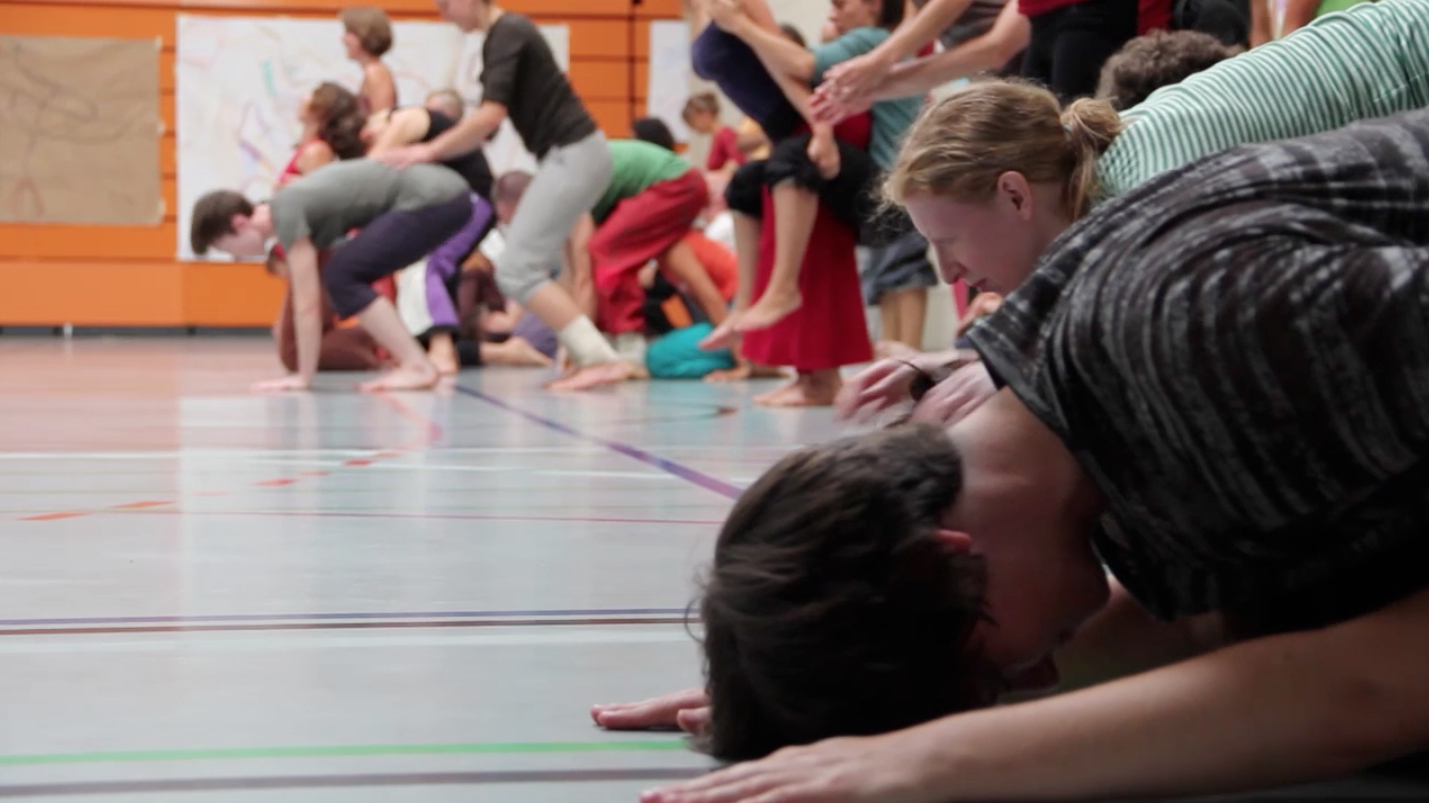
As a social and visual anthropologist there are many things that fascinate me about contact improvisation, that I experience in my dancing but also seek to connect to the interests that sustain my passion for anthropology and its potential to contribute to social change.
In the process of trying to find the concepts and areas of theorisation that I feel can do most justice to CI and its practitioners I have settled on intersubjectivity as the key concept and debates about the value of collaborative and ‘shared anthropology’ in visual anthropology as the key area. I have been particularly inspired by working with Zemirah Moffat and learning of her use of feedback and her taking Rouch’s inspiration for her text and film doctoral thesis called Mirror, Mirror. Teaching visual anthropology for five years has provided a great opportunity to explore the points at which the sub-discipline could enter into more productive dialogue with social and medical anthropological concern on the areas of most interests to practitioners of the form.
I will be writing about and exploring these connection in the coming months and years.
I am also passionate about arguing that our documentary constitutes a valid research output in its own right, particularly as it’s form and focus is heavily influenced by the philosophy and practice of contact improvisation. I see the documentary as supporting the growing movement for a more publically and engaged anthropology.
In this theme I invite contributions and comments on the general theme of anthropology and contact improvisation.
To contribute to this theme please go to our feedback section.
Screening at KOKI in Freiburg
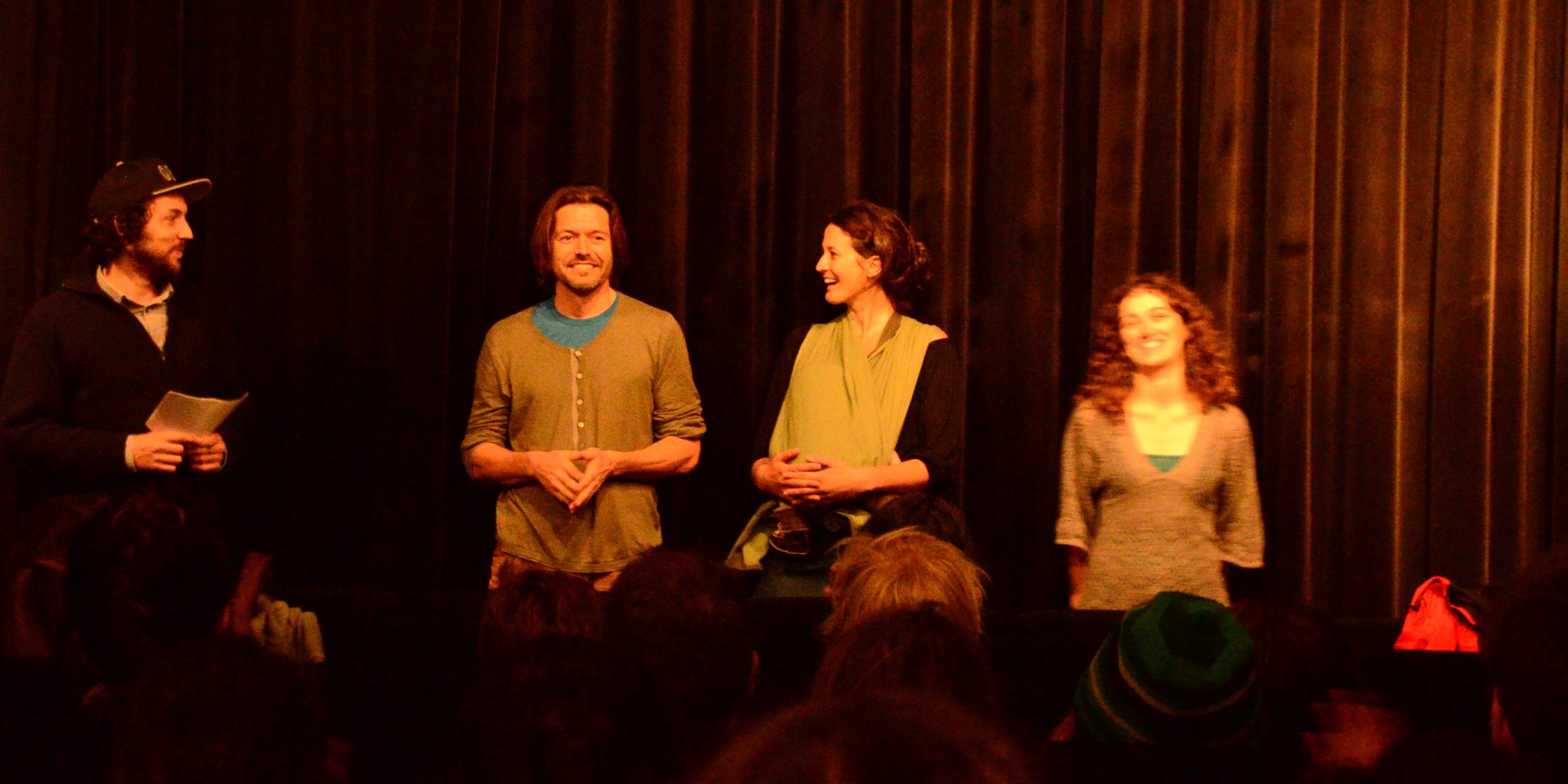
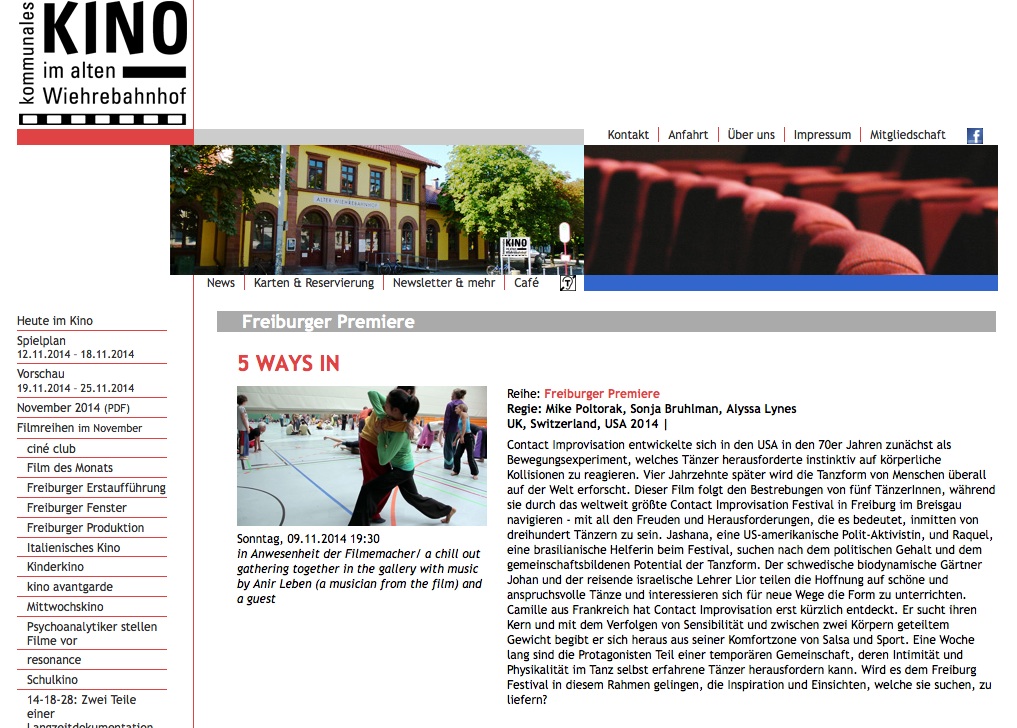
We launched our documentary to a packed cinema in Freiburg on the 9th November. Given the emergent theme of the documentary on ‘community’ it was doubly appropriate we should show it at KOKI, a community cinema with a history going back to 1972.
We had a full evening event with introduction, Q and A and then dancing and discussion.
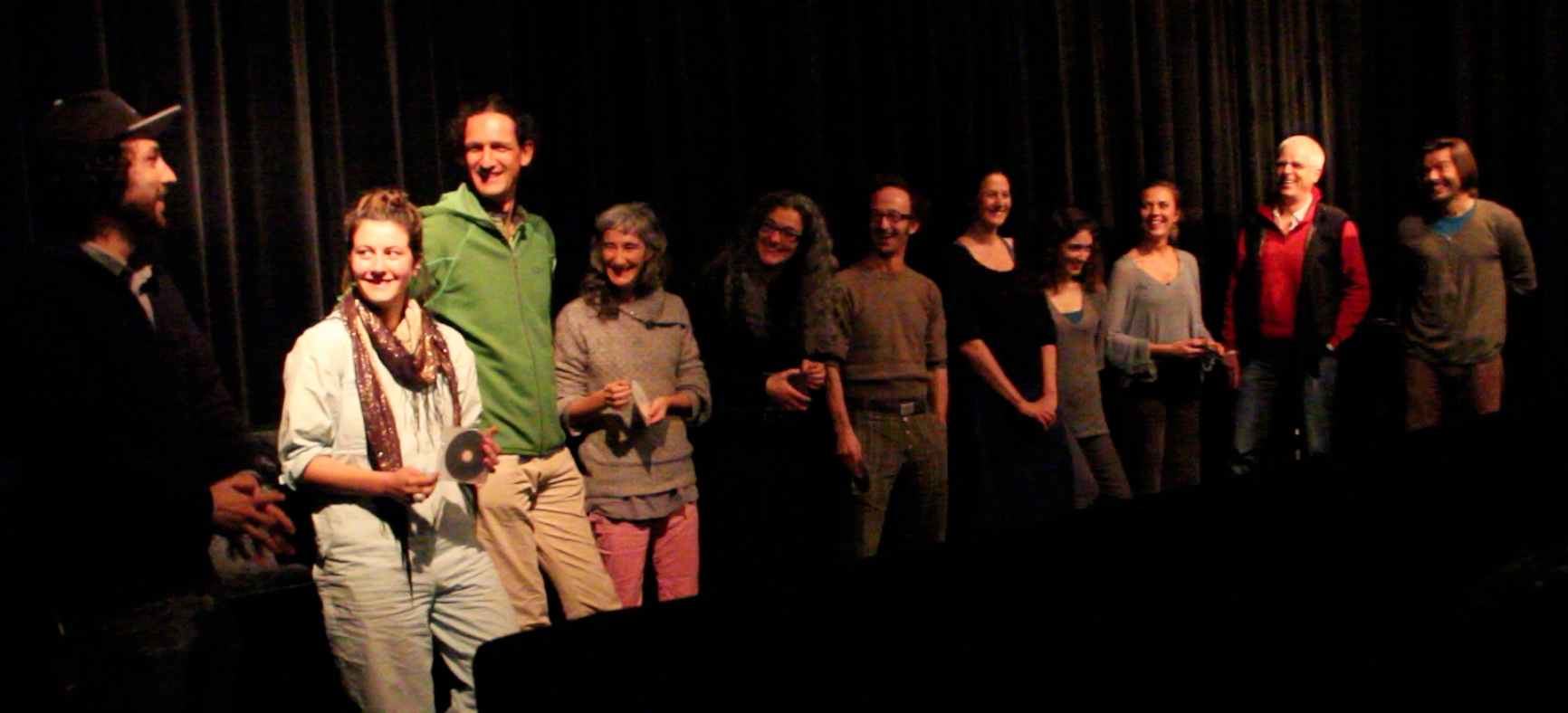
At the end of the Q and A we invited the festival organisers, those who were in the film and key supporters to receive questions.
Florian Fromm from KOKI opened the Q and A with a question about how many beginners actually go to Freiburg. As someone with little knowledge of CI he could most easily identify to Camille of the five protagonists in the film.
In the audience were all four Freiburg Festival organisers and many dancers and supporters.
After the screening, Anir Leben led a improvised concert with lots of dancing.
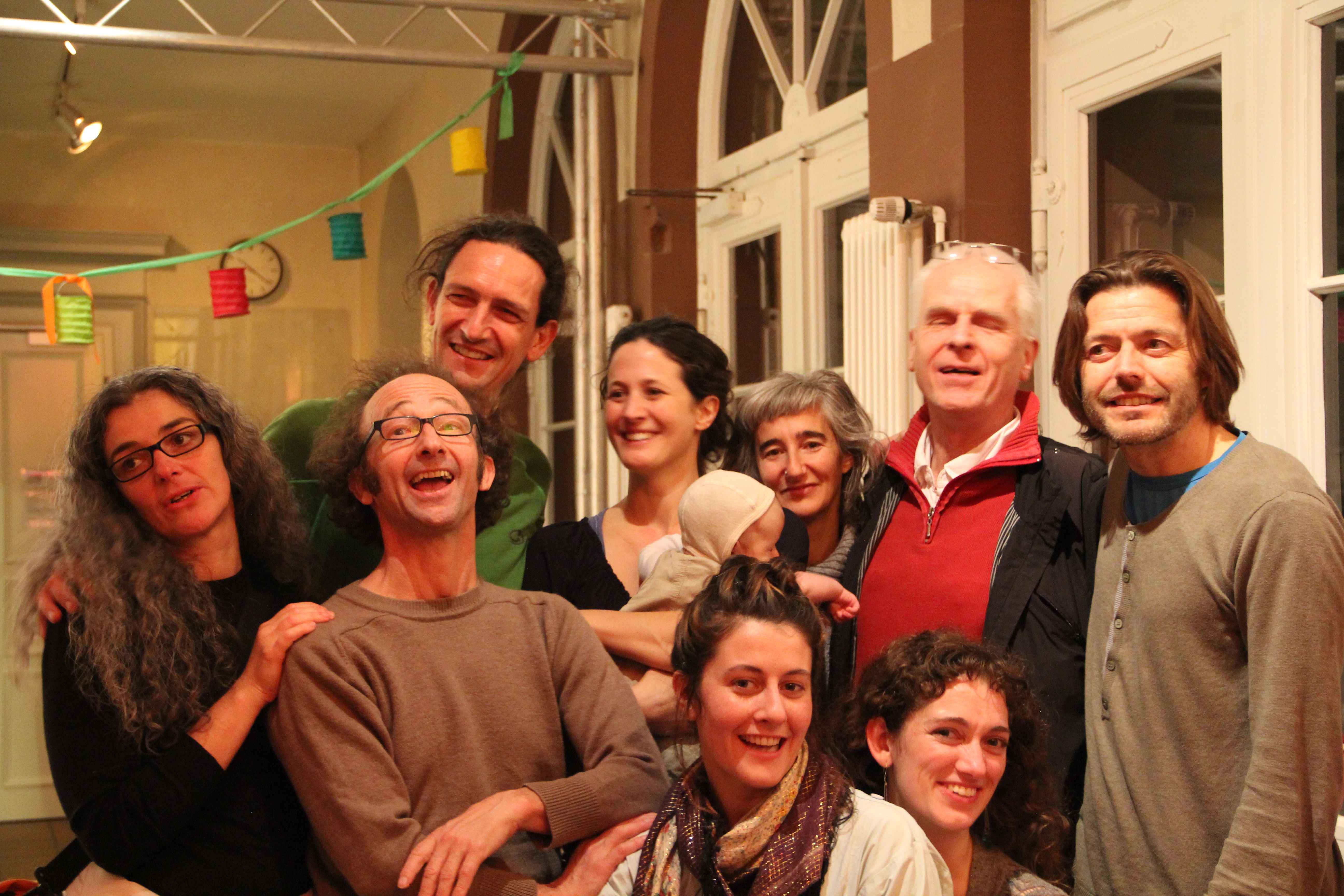
In KOKI foyer after the premiere. From L to R. Barbara, Ecki, Benno, Sonja, Louie, Lea, Dani, Alyssa, Thomas and Mike
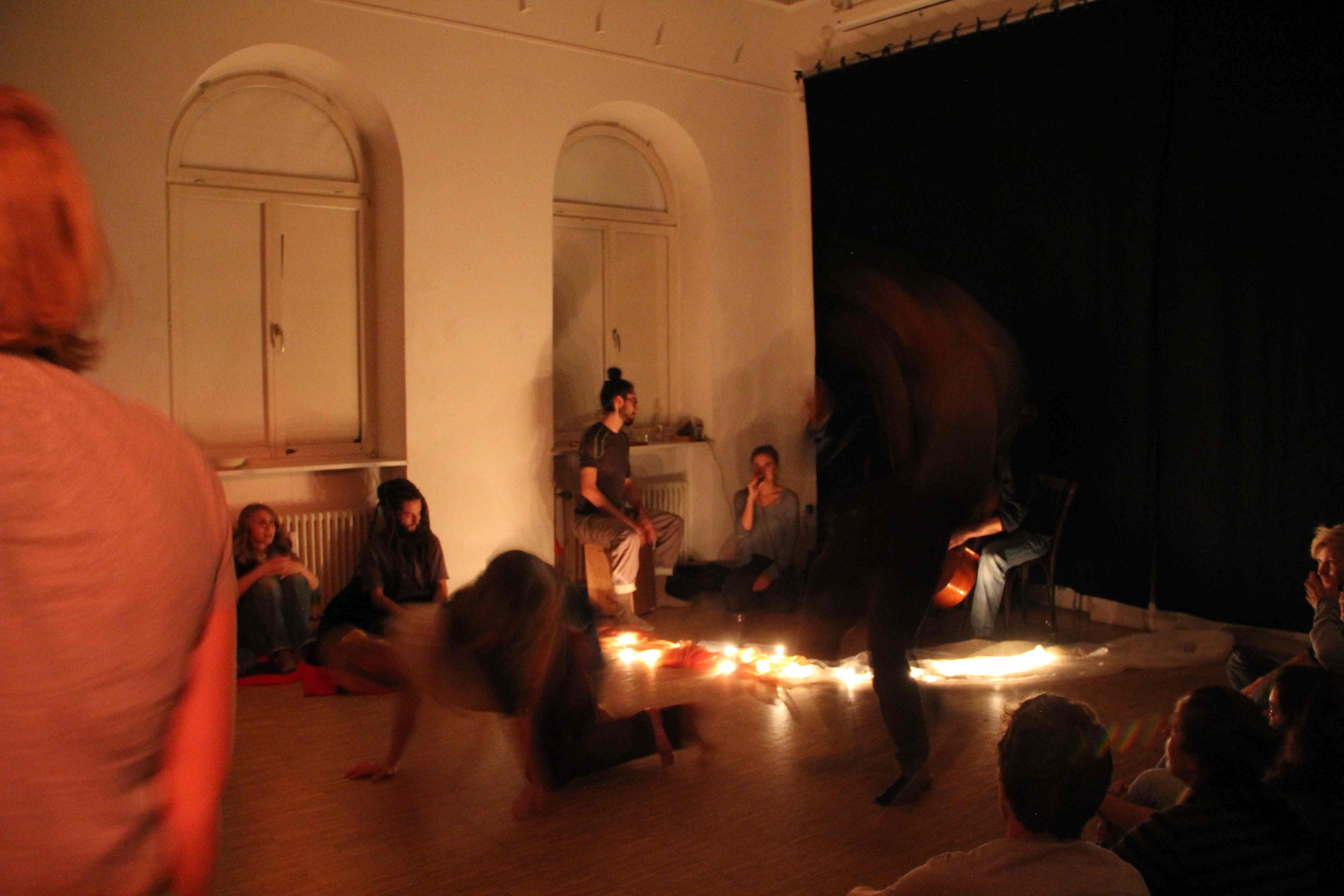
Anir Leben and friends improvised for the dance space.
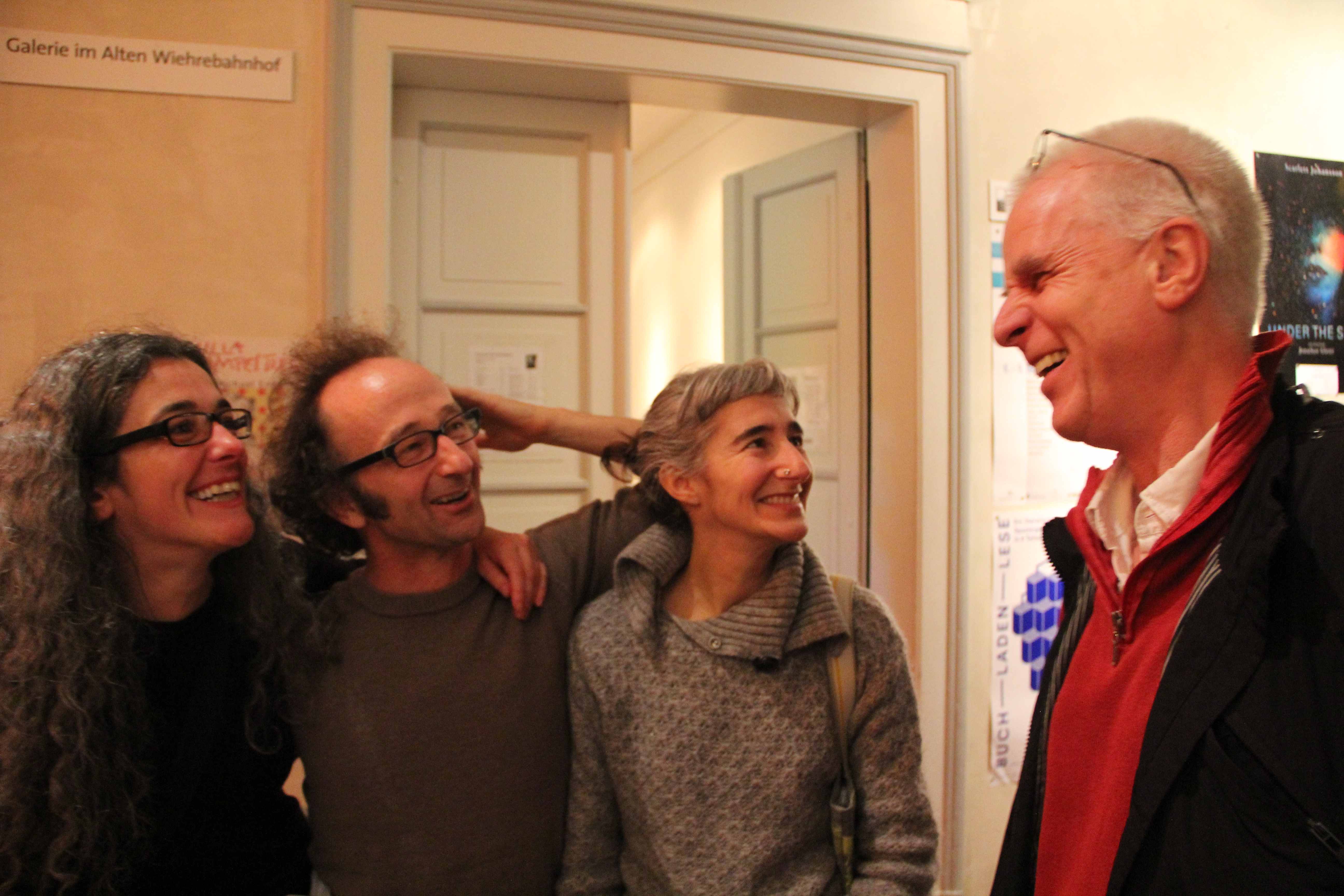
Discussions on the political possibilities of the documentary. From L to R. Barbara, Ecki, Dani and Thomas.
Freiburg International Contact Festival
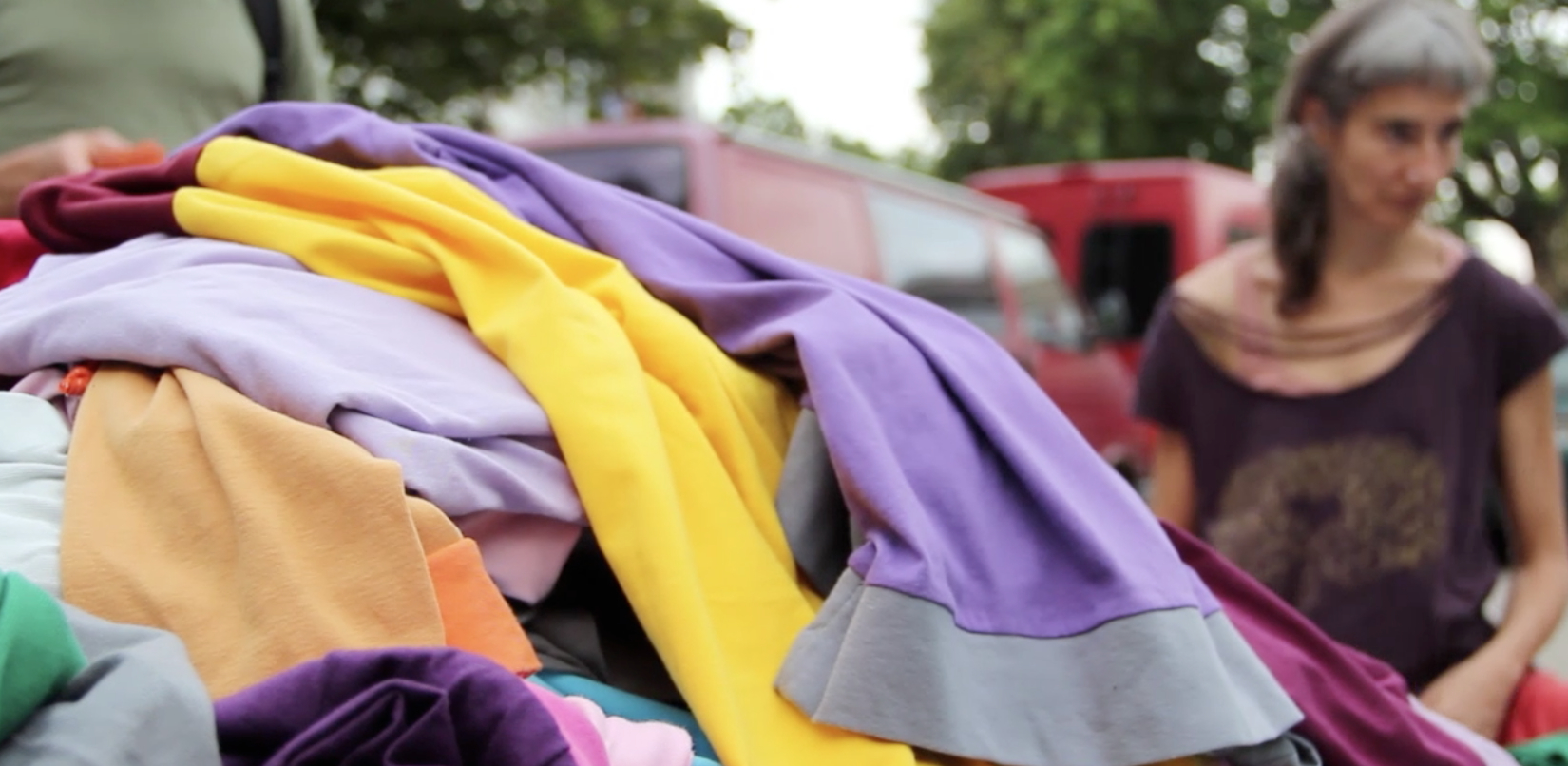
Contact improvisation in Europe has become strongly embedded in summer festivals that provide unique opportunities for learning, exchange, inspiration and research. The Freiburg International Contact Improvisation Festival was the first and biggest of all these festivals. Tickets to the festival famously sell out hours online after they are made available on the 1st April. One of the organisers, Barbara Stahlberger, invited our co-director Mike Poltorak to document the festival as had been done for the previous twelve years. After initially proposing a very basic documentation of the festival he realised over months what a unique opportunity there was to make a full length documentary that really captured the contemporary form.
Johan Nilsson
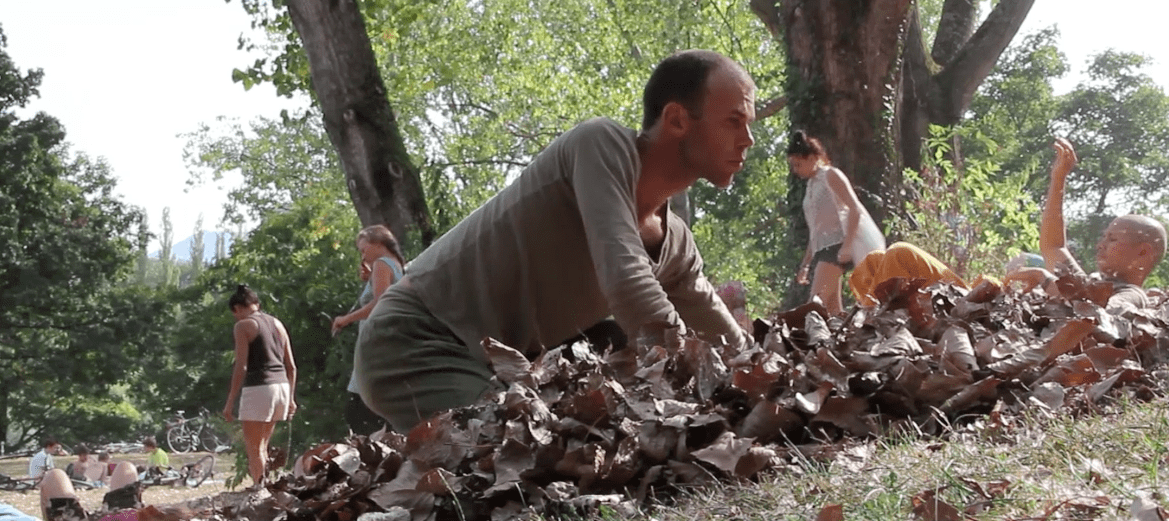
Johan (Sweden) uniquely links dance with the appreciation of nature through his work as dance teacher and biodynamic gardener. At the festival he was particularly interested in developing his teaching and breaking down patterns.
Camille Roura
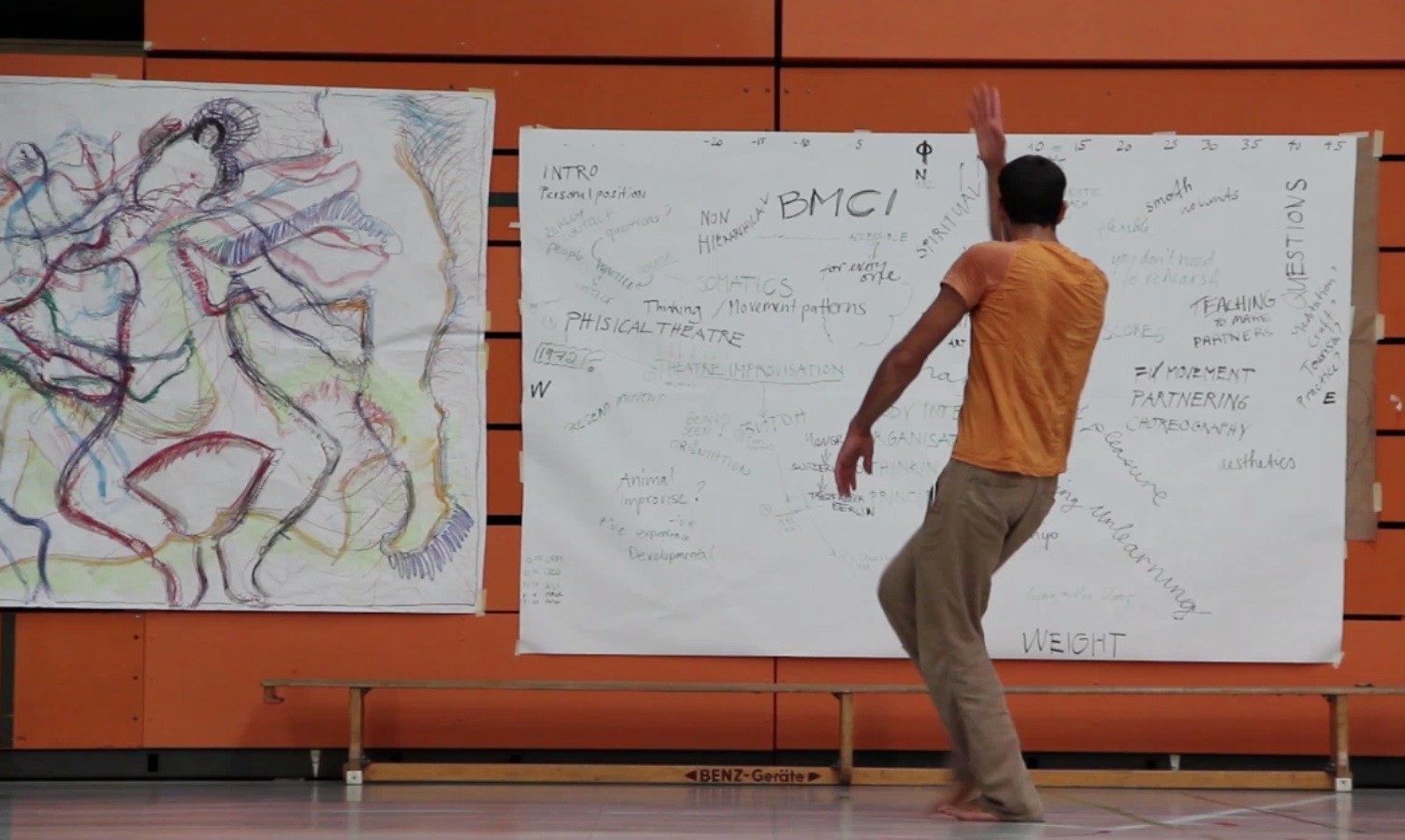
Camille (France) is a sports teacher and had only started dancing CI recently. He was interested in developing sensitivity and the ability to give weight to people smaller than himself.
Raquel Minako
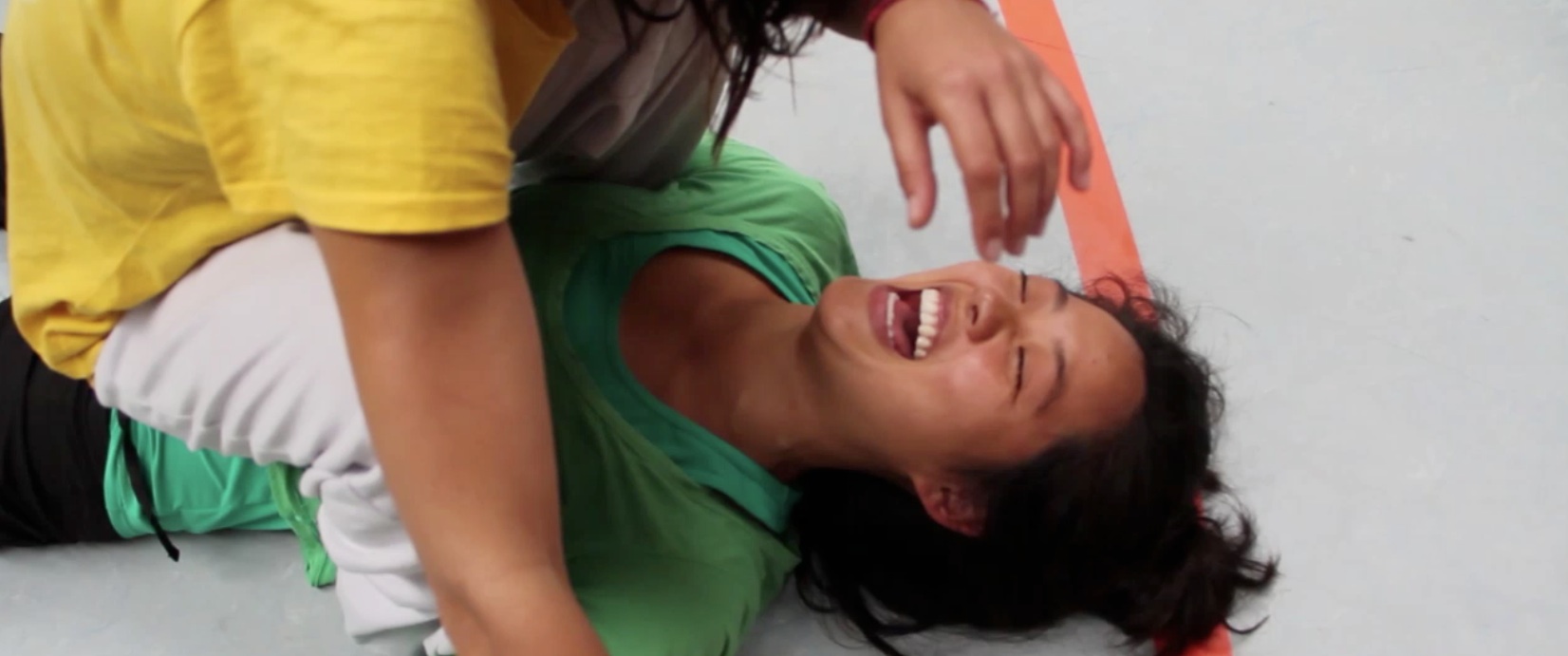
Raquel (Brazil) is a dedicated dancer and was a volunteer at the festival. She was curious in the community aspects of CI and was in search of some clarity in the dance in her everyday life.
You can learn more about what she is currently doing here.
 Researching Contact Improvisation